
Stress doesn’t always manifest solely as mental exhaustion or that classic end-of-the-day irritability. More often than not, the body begins to express burnout through silent signals in the face, skin, hair, and even in our subtlest facial expressions. In a fast-paced routine, sleep deprivation, anxiety, and emotional overload directly impact our biology. The mirror typically perceives this biological crisis long before the mind admits it needs a break. Understand the science behind how stress affects appearance and learn to identify your body’s warning signs.
1. Dull, dehydrated, and lackluster skin
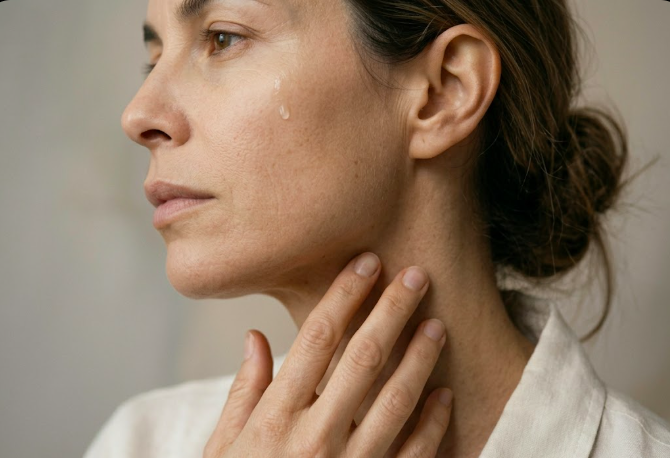
When we are under constant pressure, the body drastically elevates its production of cortisol, popularly known as the stress hormone. Biologically, excess cortisol alters cutaneous inflammatory processes and disrupts the skin’s protective barrier. This manifests in two primary ways: in some skin types, it triggers a rebound effect with a severe increase in oiliness and adult acne breakouts; in others, the skin loses its ability to retain moisture, resulting in an extremely dull, dry, and lackluster complexion devoid of its healthy, natural glow.
Furthermore, chronic poor sleep patterns drastically cut short the natural cellular regeneration cycle, which occurs predominantly during deep sleep. Without this essential renewal, dead cells accumulate on the skin’s surface, accentuating a gray, fatigued tone across the face.
2. Severe hair shedding and weakened strands
Have you noticed a sudden drop in your hair volume, or that strands are falling out in clumps in the shower and on your brush? Prolonged periods of physical or emotional stress are directly linked to a medical condition known as telogen effluvium. This condition prematurely shifts the life cycle of the hair: strands that should remain in the active growth phase (anagen) are abruptly forced into the shedding phase (telogen).
The true danger of telogen effluvium is its delayed onset. This acute shedding typically appears two to three weeks, and sometimes up to three months, after the peak period of pressure or emotional trauma. Because the microcirculation of the scalp is compromised by the body’s fight-or-flight state, new hair strands also emerge weaker, thinner, and lacking their natural shine.
3. Persistent dark circles and a fatigued expression
The classic “tired face” cannot simply be corrected with a high-coverage concealer when the root cause is systemic. Irregular sleep and constant anxiety deeply alter peripheral blood circulation. Stress triggers vasoconstriction in peripheral areas while promoting fluid retention, making the blood vessels beneath the eyes (where the skin is naturally thinnest) far more visible, darker, and congested.
Over time, chronic tension rewires the dynamic of our facial expressions. The muscles in the forehead and around the eyes remain involuntarily contracted, weighing down the eyes and projecting a permanent image of fatigue and exhaustion, even right after waking up with the false impression of having rested.
4. Teeth grinding and changes in facial contour
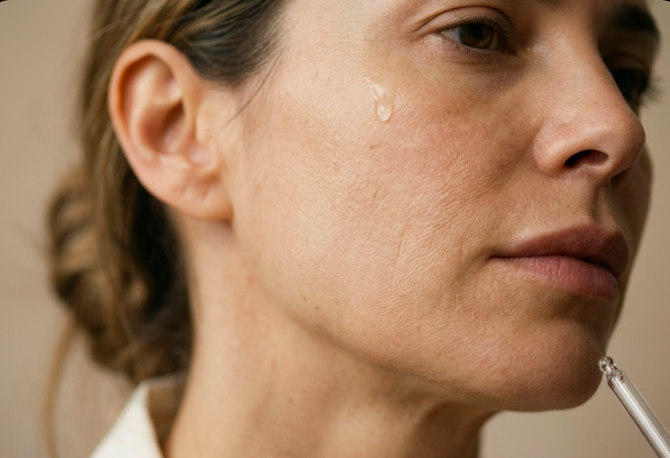
Many individuals release psychological tension by clenching or grinding their teeth, particularly during sleep, without ever realizing it. Bruxism and constantly tensed jaw muscles result in morning headaches, tooth enamel wear, and chronic pain in the temporomandibular joint (TMJ).
However, the aesthetic impact is equally striking. Chronic hyperactivity of the masseter muscle (the primary muscle used for chewing, located at the side of the jaw) can lead to muscle hypertrophy. Over time, this subtly alters the facial contour, giving the jawline a more square, rigid, and visually heavy appearance, stripping away the fluid and relaxed lines of a well-rested face.
5. Systemic body inflammation, bloating, and chronic fatigue
Chronic stress is not an isolated event confined to the mind; it operates as a generalized inflammatory trigger throughout the entire body. Under the command of elevated cortisol, the body tends to retain more sodium and fluids, resulting in noticeable abdominal and facial bloating from the moment you wake up.
Coupled with this, a perpetual state of alert alters eating behaviors, driving a compulsive craving for simple carbohydrates and sweets, a desperate biological attempt by the brain to seek fast energy to combat the “threat” perceived by the nervous system. The result is a vicious cycle of subclinical inflammation, a feeling of physical heaviness, fatigue that ordinary rest cannot fix, and the loss of the overall vitality that defines a healthy appearance.
Beauty begins in the Nervous System
Understanding that stress affects appearance is the first step toward shifting how we approach modern self-care. There is little use in investing in complex, ten-step skincare routines or the most expensive imported creams on the market if your central nervous system remains stuck in survival mode.
Caring for your aesthetics fundamentally requires caring for your mental health, regulating your sleep, maintaining a balanced diet, and embracing genuine moments of stillness. Your face is a direct reflection of your internal balance. When the overload feels too heavy to bear, remember: sometimes, the best beauty product you can gift your skin is simply a conscious pause to breathe and slow down.